
Our priorities.
-

The Black & Indigenous Maternal Mortality Crisis
Black and Indigenous women in the U.S. face three to four times higher pregnancy-related mortality rates than white women across all income and education levels. This crisis is driven by systemic racism's chronic stress, healthcare provider bias, underfunded safety-net hospitals, and inadequate postpartum insurance coverage.
WHIVE Commons addresses maternal mortality by building supportive communities, developing women leaders, and partnering with healthcare organizations to transform systems.
-
The Fibroid Epidemic
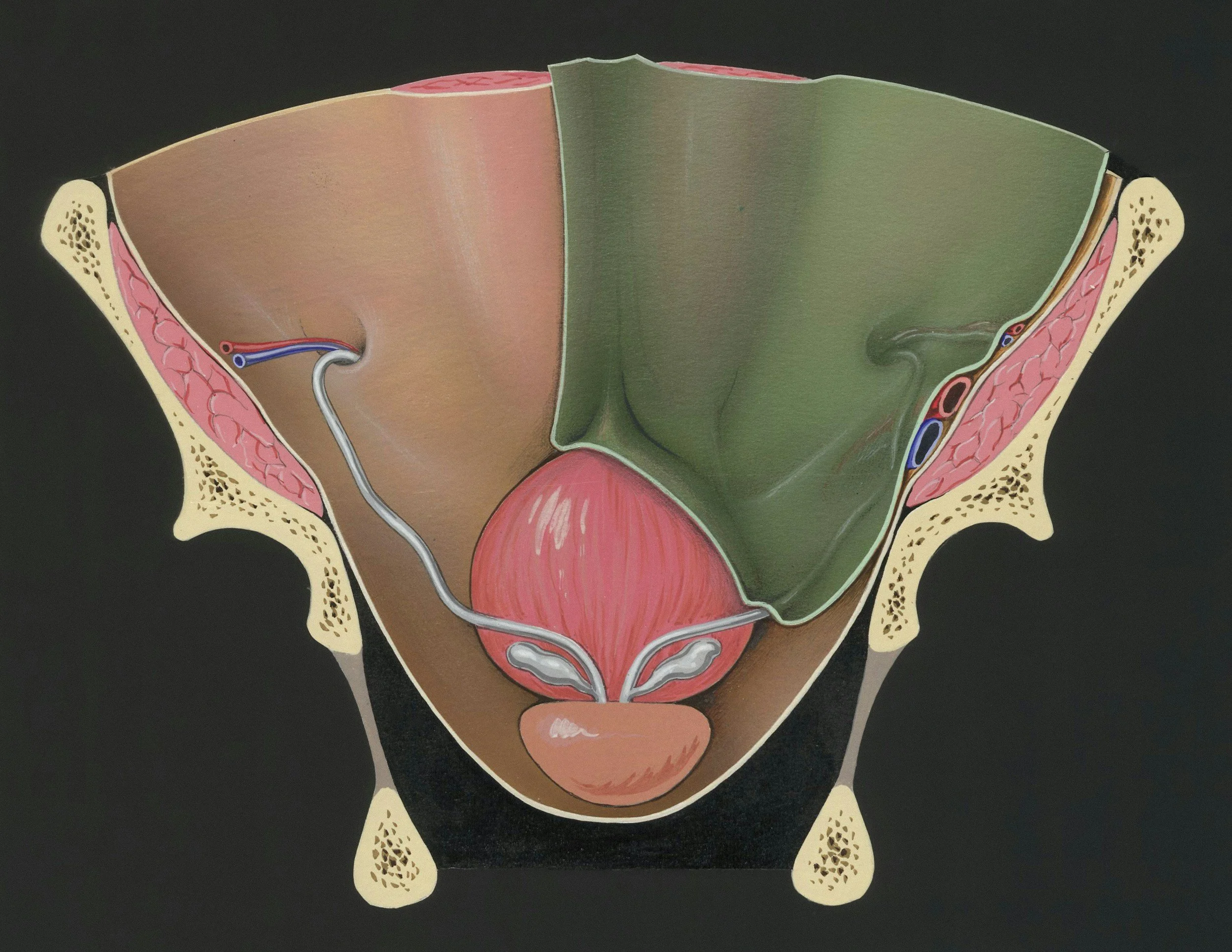
Up to 80% of Black women will develop uterine fibroids by age 50. Black women are diagnosed at younger ages, suffer more severe symptoms, and are 3 times more likely to undergo a hysterectomy; often as the first option presented by physicians rather than a last resort.
WHIVE Commons combats the fibroid epidemic by training Reproductive System Navigators, providing access to education, and reducing isolation to help women navigate treatment options and self-advocate effectively.
-

Underrepresentation of Women in Healthcare Leadership
Women comprise 80% of healthcare workers but hold only 30% of C-suite and 13% of CEO positions. This stark underrepresentation stems from key barriers, including isolation in executive spaces, a lack of dedicated sponsorship, and institutional burnout.
WHIVE Commons addresses the underrepresentation of women in healthcare leadership by offering leadership development, creating supportive networks to reduce isolation, and providing mentorship opportunities.
-

The Fertility Preservation Gap
Fertility preservation in the U.S. primarily serves cancer patients or high earners, leaving little support for benign threats like fibroids and endometriosis that disproportionately impact BIPOC women. These non-cancer diagnoses rarely receive insurance coverage, leaving patients facing organ-threatening surgeries without accessible options to preserve their fertility.
WHIVE Commons combats fertility gaps by offering reproductive navigators, reducing isolation, improving access to education, and advocating for expanded state insurance mandates.